Why Is Your Wall Paint Peeling? Common Reasons and Solutions

 Jul , 2026
- Berger Speaks
- 4 Min Read
A neat wall can look tired when an edge lifts, flakes drop near the skirting, or bubbles appear around a damp corner. Paint peeling is not only a colour problem. It usually means the paint has lost grip because of moisture, dust, weak preparation, wrong products, or rushed painting.
What Is Paint Peeling?
Paint peeling is the separation of the paint film from the plaster, primer, or old coating below it. It can appear as chips, curls, cracks, edges, flakes, or bubbles. On a peeling wall, paint may come off when touched.
Repainting over weak paint hides the issue briefly. The new coat needs a dry, clean, stable base.
What Causes Wall Paint To Peel?
Most cases of peeling paint begin below the visible layer. Indian homes face heat, dust, dampness, kitchen steam, humidity and terrace seepage.
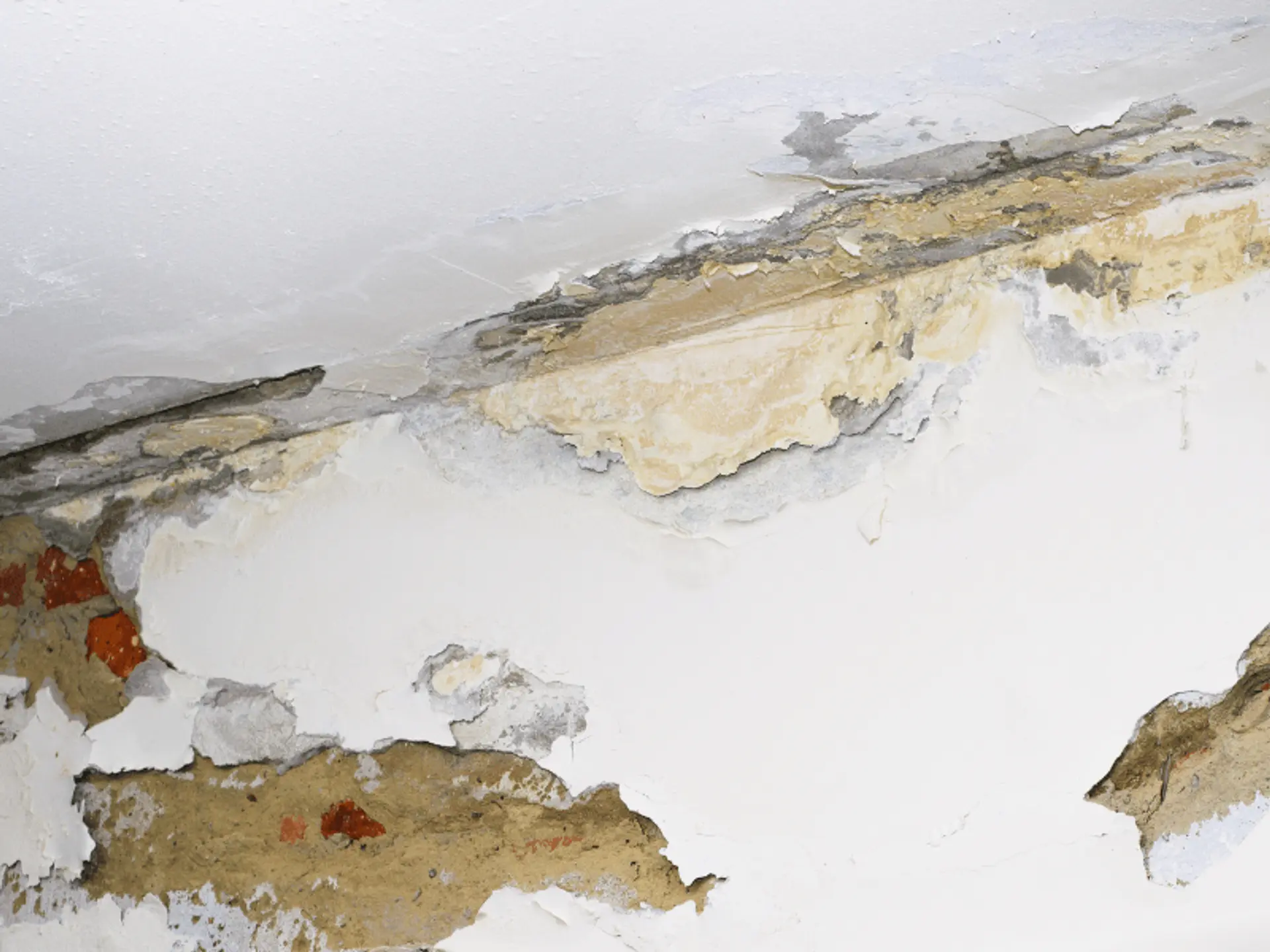
Moisture And Water Leakage
Moisture is the most common reason for paint peeling off walls. Roof leaks, concealed plumbing, damp bathrooms, wet balconies, rain-facing walls and poor drainage push water into plaster. As trapped moisture escapes, it breaks the paint bond from behind.
Trouble spots include bathroom corners, kitchen sink areas, terrace ceilings and exterior walls.
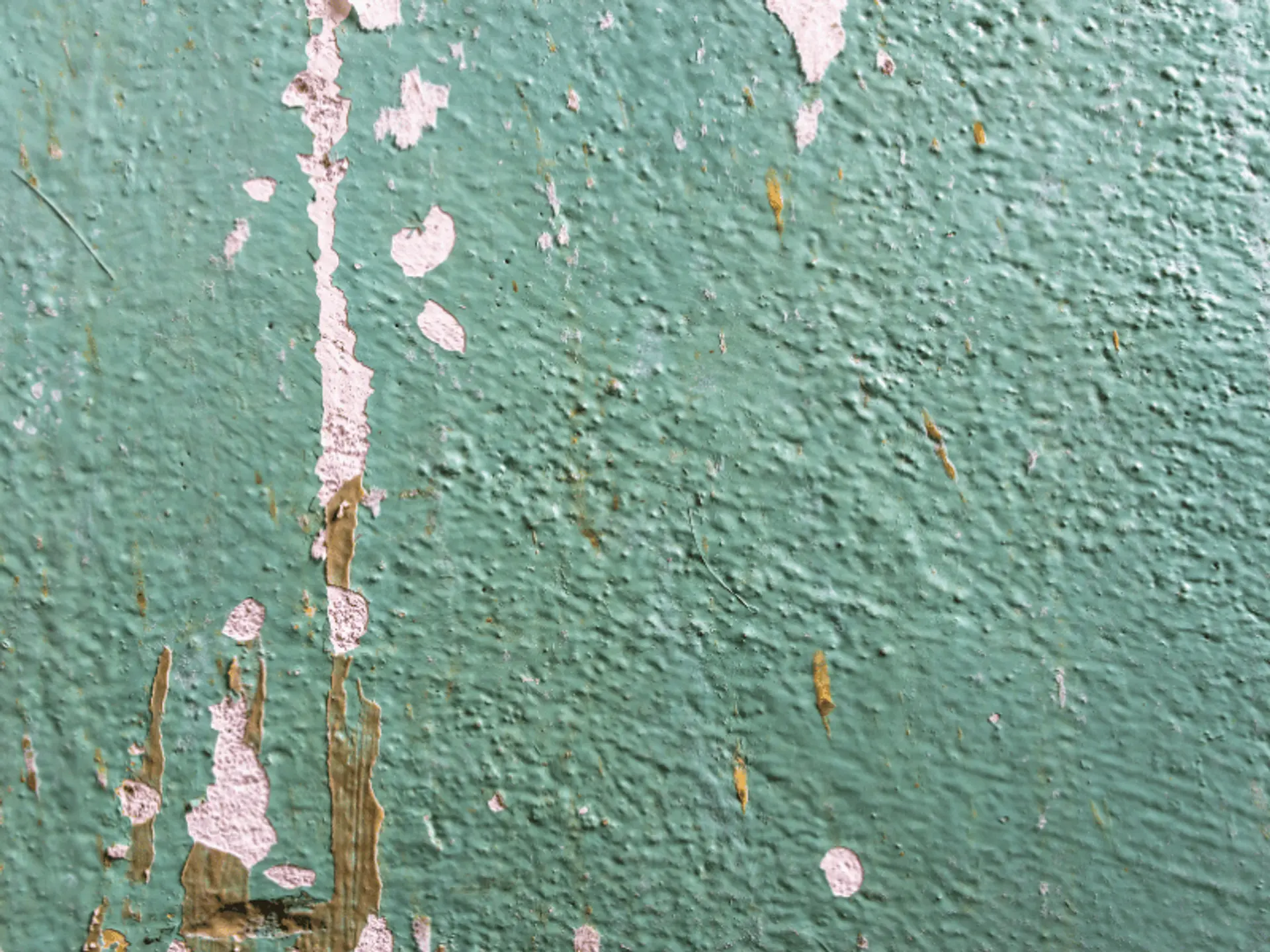
Poor Surface Preparation
Paint needs a clean surface. Dust, grease, chalky residue, fungus, loose old paint and cracks stop the new coat from holding properly. Before applying fresh wall paint, the wall should be scraped, cleaned, repaired, sanded and primed.
When this step is rushed, flaking paint appears around edges and patches.
Painting Over Damp Walls
Fresh plaster must cure and dry before painting. A wall may look dry outside while still holding moisture inside. For cement plaster, painters commonly allow about 21 to 28 days of curing, based on weather and product guidance. Painting early can make paint peel off.
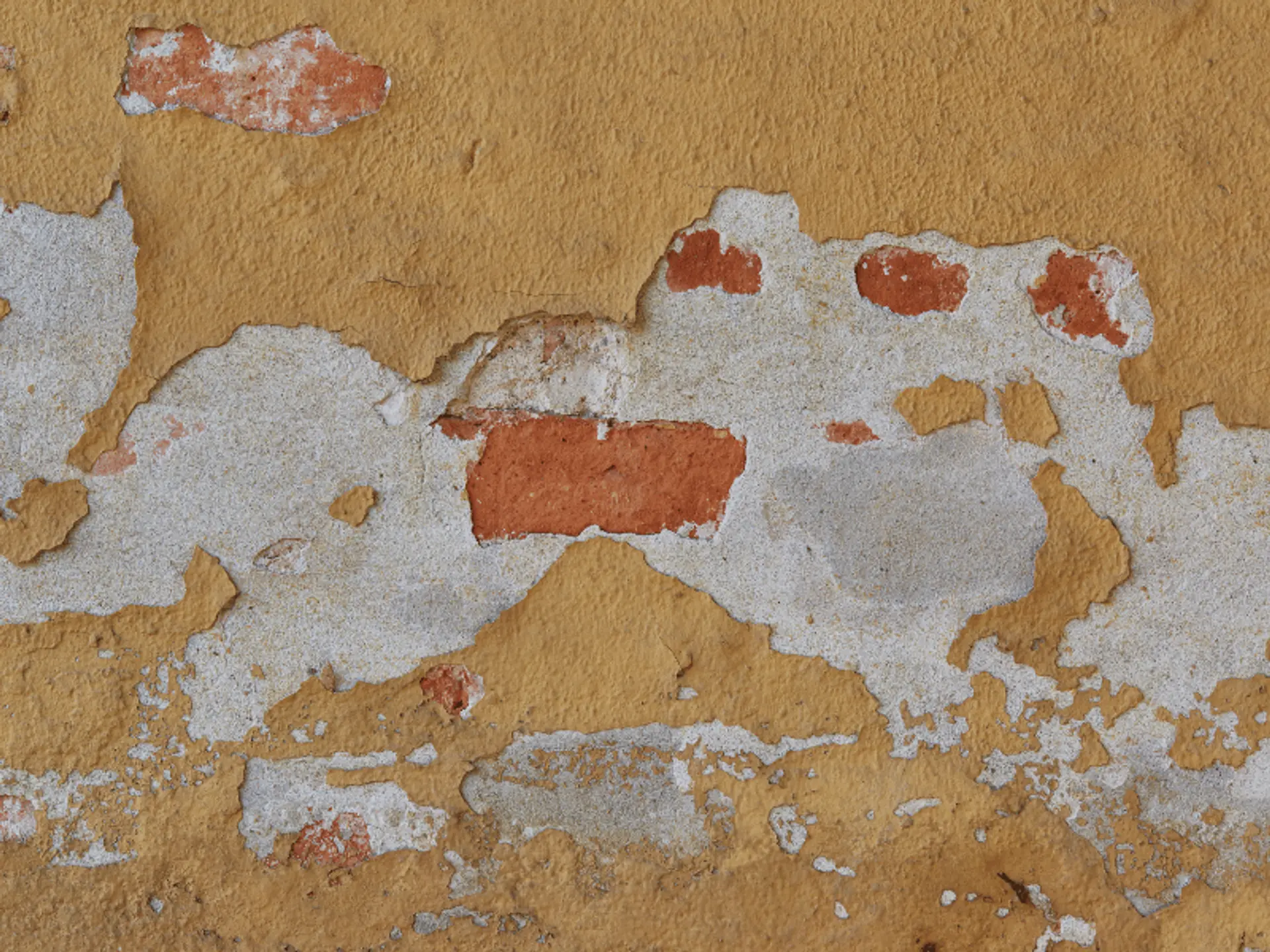
Low-Quality Primer Or Paint
Primer seals the surface, controls absorption and improves adhesion. Skipping it, using the wrong primer, or choosing weak paint can reduce durability in kitchens, bathrooms and exterior areas. This may lead to early peeling of paint.
Applying Too Many Thick Coats
A thick coat does not mean better strength. Heavy coats dry unevenly, trap moisture and may wrinkle. This can cause paint flaking, rough patches and a soft finish. Thin, even coats usually perform better.
Painting In Extreme Weather Conditions
Paint needs suitable weather to dry and cure. Strong heat, rain, high humidity and dust can disturb adhesion. Before painting the home in rainy weather, check dampness, exposure and drying time. A rushed, humid-day job often fails early.
Old Or Poorly Maintained Walls
Older walls may have chalking, salt marks, cracks, stains or earlier paint damage. New paint should not be applied directly over a weak layer. If old paint is not removed properly, the fresh coat sticks to damaged paint, causing the paint to peel off later.
How To Fix Peeling Paint On Walls
Repair should begin with the surface. A smooth finish lasts only when the weak layer is removed and the cause is controlled.
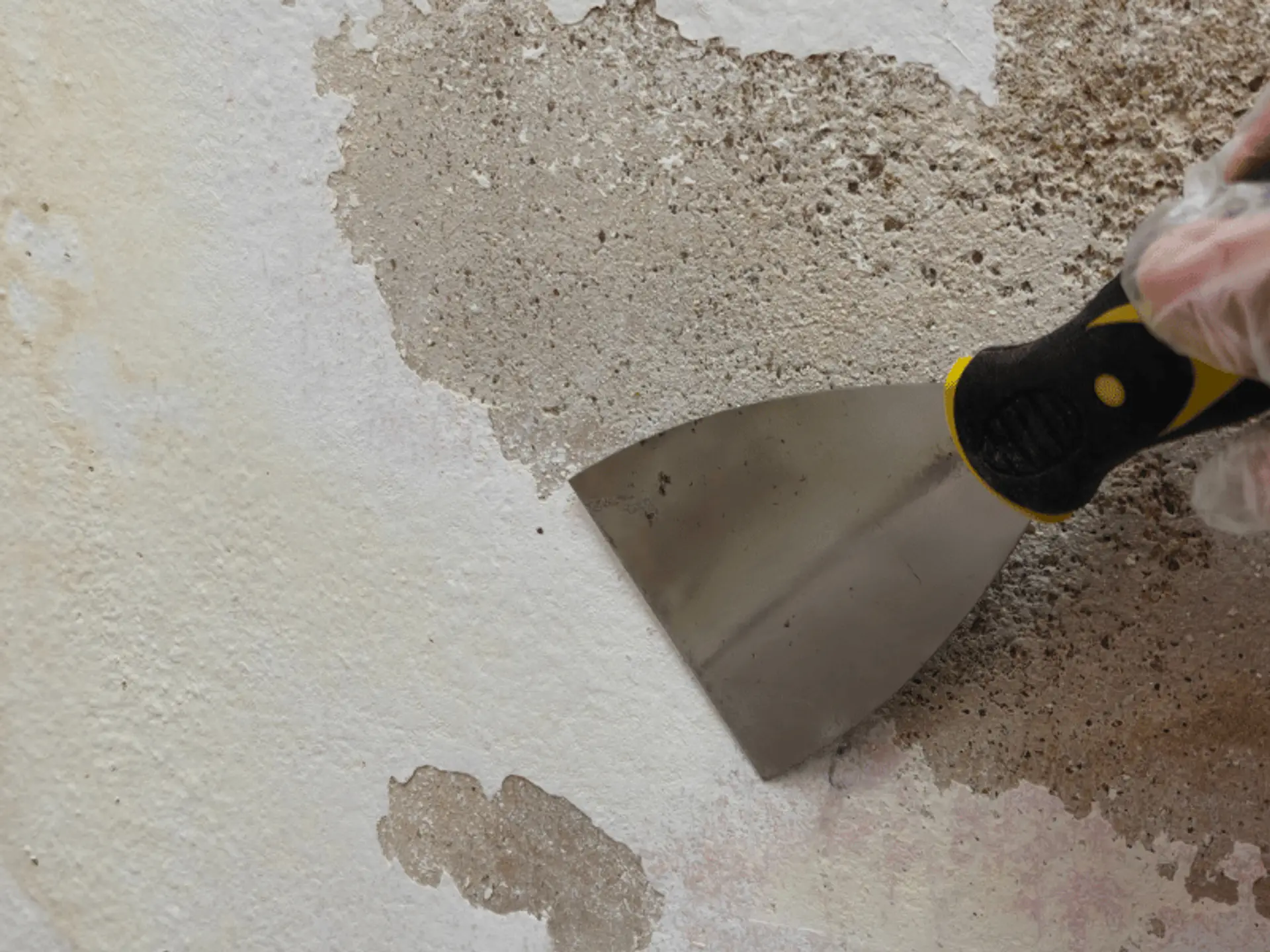
Remove Loose Paint
Scrape all lifted paint with a scraper or putty knife until you reach a firm edge. Weak paint often spreads beyond the visible patch. Sand the border so the repaired area blends with the wall.
Repair Wall Damage
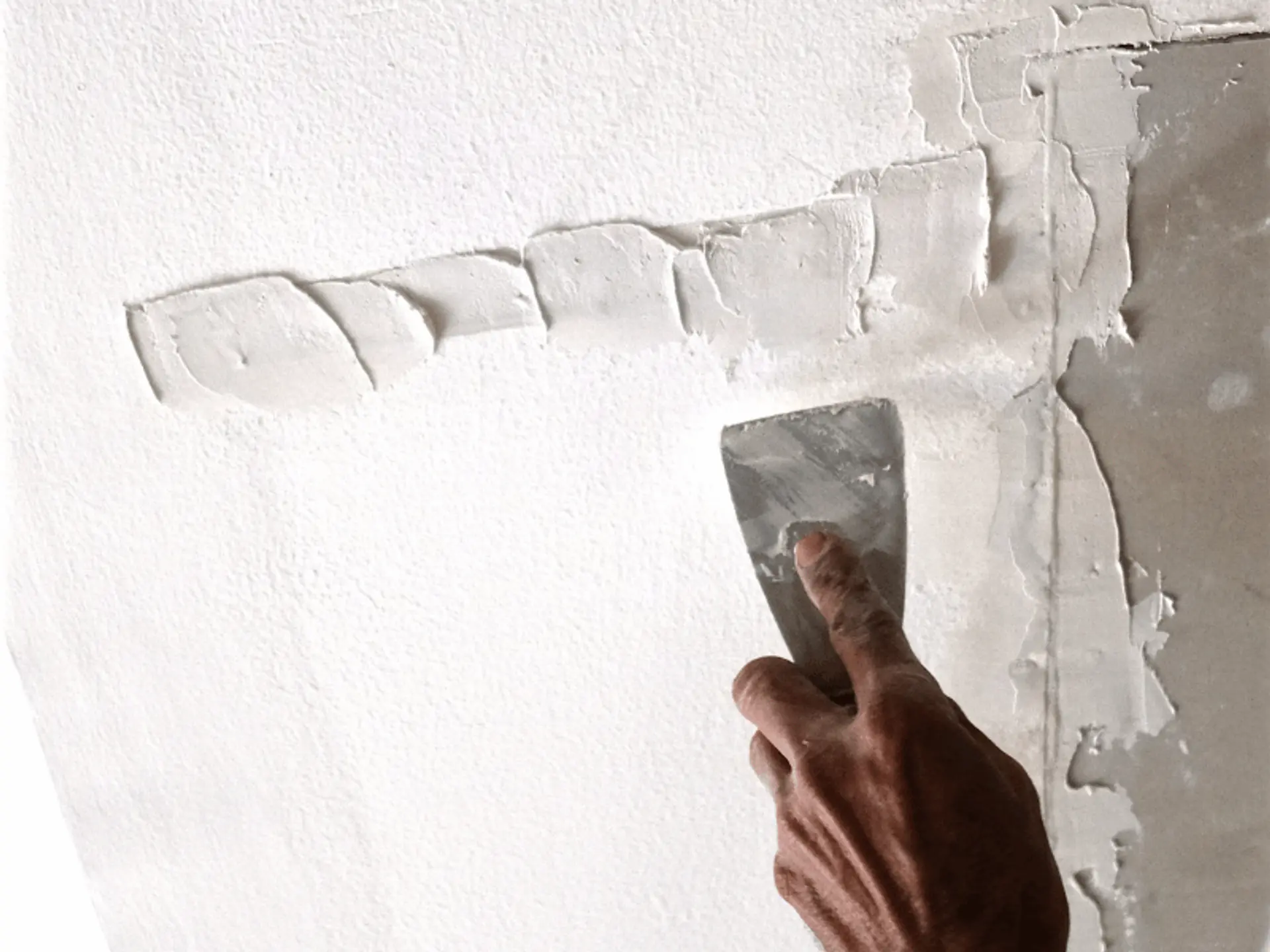
Fill cracks, holes and dents with suitable putty or filler. Let the repair dry fully, then sand it smooth. Uneven filling can show after painting, especially on side-lit walls.
Eliminate The Root Cause
Fix leaks, seepage, exterior cracks, faulty waterproofing or drainage issues before repainting. If fungus or algae appear outside, look for guidance on how to prevent algae growth on falls and damp exterior surfaces.
Apply A Suitable Primer
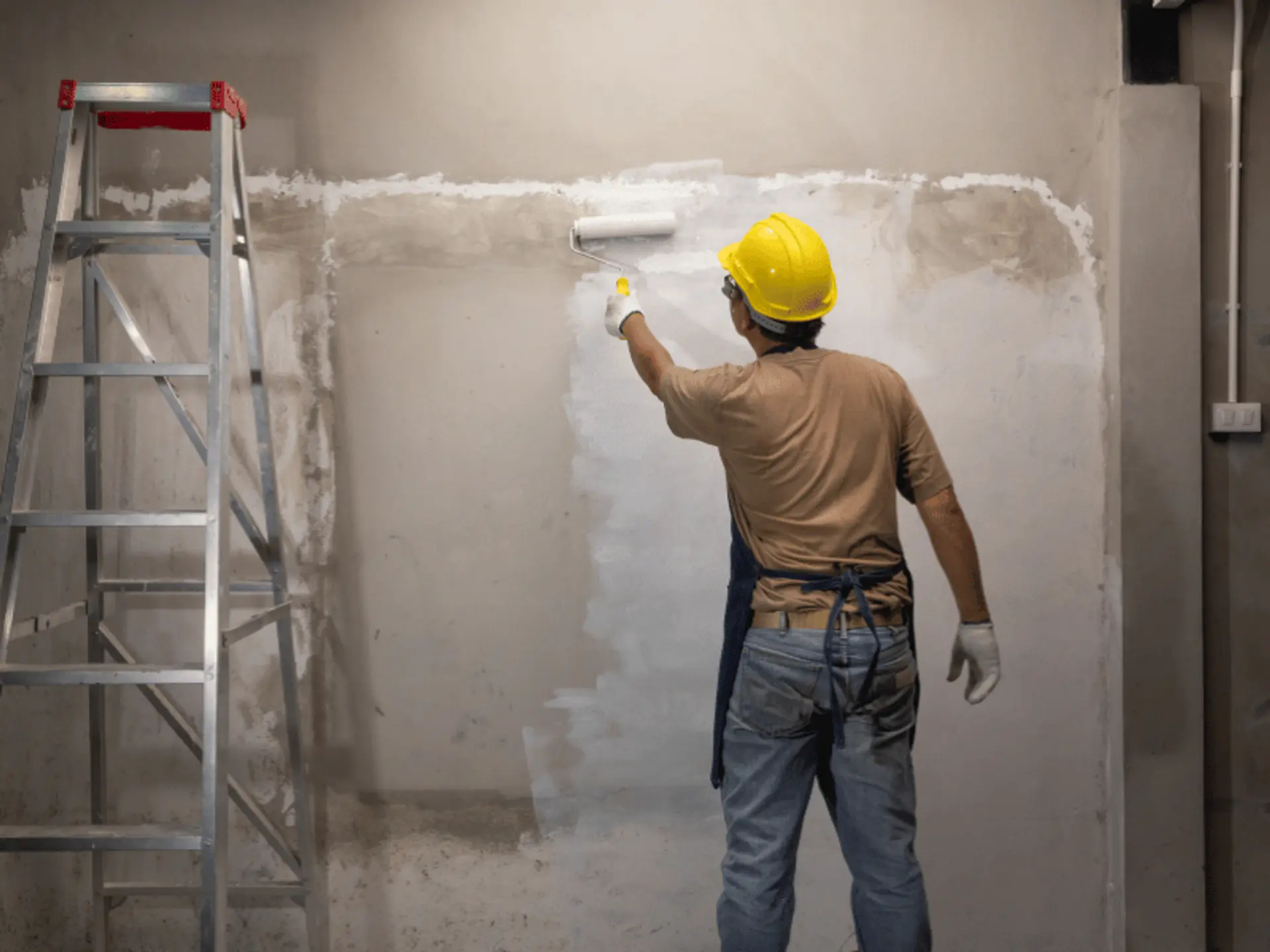
Choose primer according to wall condition, location and moisture exposure. Dry interior walls, exterior walls and new plaster may need different products. After preparation is planned, pick shades from a colour catalogue.
Repaint With High-Quality Paint
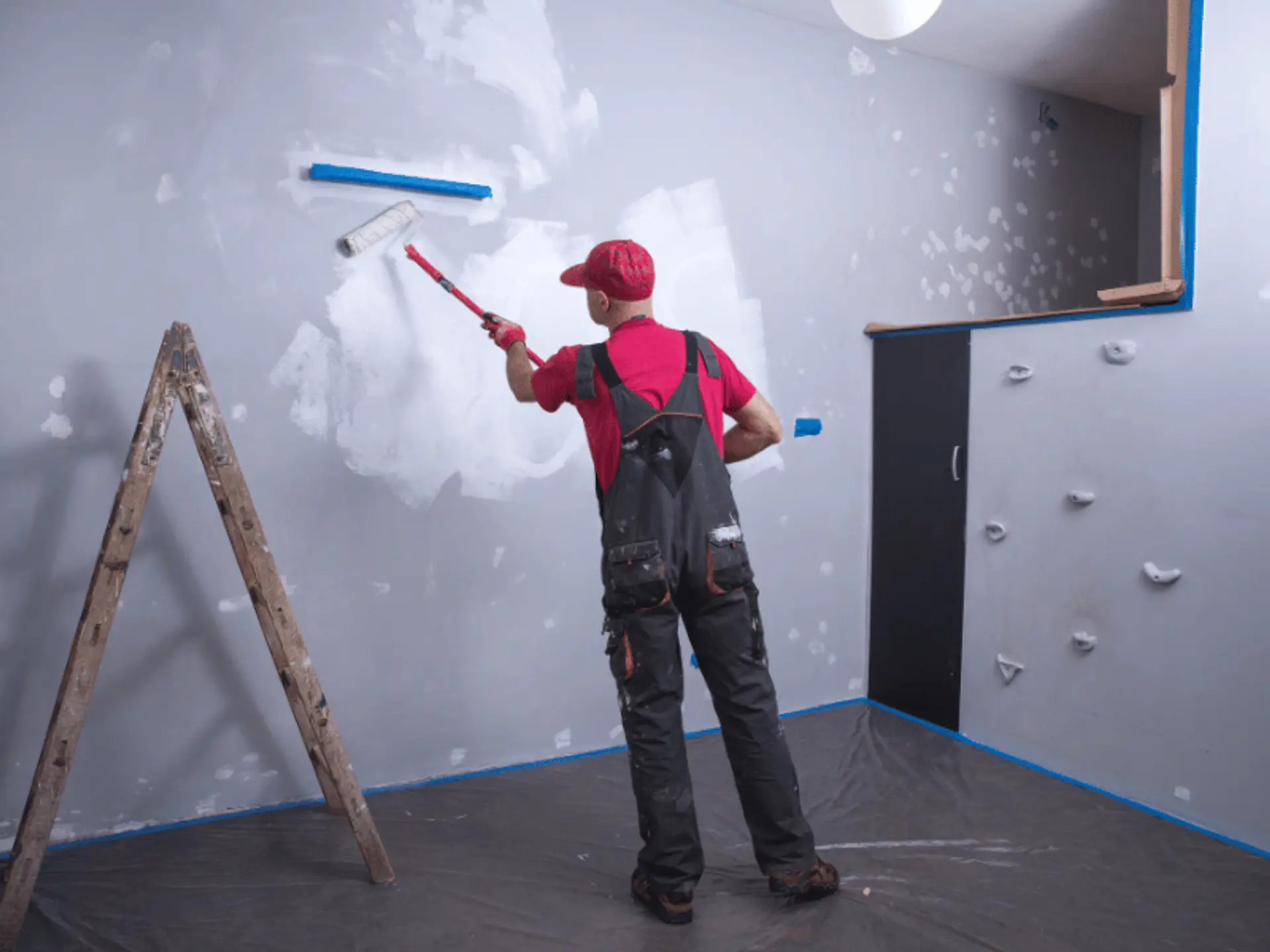
Apply paint in thin, even coats and follow the recommended drying time. Avoid adding extra water beyond product guidance, as it can weaken coverage. For exteriors, use paint suited to sunlight, rain and dust. For interiors, choose finishes based on room use.
How To Prevent Paint Peeling In The Future
Good painting is not only about colour. It is about moisture control, surface strength, correct products and patient application. These habits reduce paint peeling and keep walls fresh.
Keep Walls Dry
Check terrace floors, window joints, pipe lines, bathroom corners and exterior cracks before repainting. Use ventilation in kitchens and bathrooms so steam does not stay trapped. Dry walls hold paint better.
Prepare The Surface Properly
Never paint over dust, fungus, powdery paint or grease. Clean the wall, scrape loose layers, repair cracks and sand rough areas. This preparation helps prevent paint from flaking off the wall after repainting.
Use The Right Primer And Paint
A bedroom wall, bathroom ceiling and exterior compound wall need different paint systems. The right primer and finish for each surface reduce future flaking of paint and improve durability.
Follow Recommended Drying Times
Paint may feel dry to the touch but still needs time to cure. Rushing the next coat can trap moisture and affect grip. Waiting as advised improves smoothness and adhesion.
Schedule Regular Maintenance
Inspect walls before and after the monsoon. Look for damp rings, cracks, bubbling, fungus and loose flakes. Small repairs are easier than repainting a full wall later.
Conclusion
Paint peeling usually happens because of dampness, water leakage, poor surface preparation, weak primer, low-quality paint, thick coats, or painting before the wall is fully dry. The best way to avoid repeat damage is to fix the root cause first and then repaint with proper cleaning, sanding, priming, moisture control, quality materials, and regular wall maintenance. For homeowners looking for a professional and hassle-free solution, Berger Express Painting offers expert painting services, from surface preparation, crack and dampness treatment, premium-quality paints, and skilled application techniques to deliver a smooth, durable, and long-lasting finish.
check for any query you have about the blog
Frequently Asked Questions
Yes. Strong sunlight can weaken exterior paint over time. Heat expands the surface, while UV exposure affects poor-quality paint. Sun-facing walls need suitable exterior paint and regular checks.
Peeling means the paint film has lifted from the wall. Blistering appears as raised bubbles before the surface breaks. Read about paint blistering and bubbling when bumps appear before flakes fall.
Loose, powdery or cracked old paint should be removed. Firm existing paint can stay after cleaning and sanding, but weak layers must be scraped so the new coat bonds properly.
Yes. Trained painters can identify dampness, prepare the surface, repair cracks, choose the right primer and follow drying times. This reduces repeat peeling and improves finish quality.